
Stress-Related Hair Loss
Chronic stress pushes hair follicles into a shedding phase called telogen effluvium. The loss is real, physiological, and in most cases reversible once the stress decreases. We can help you build a recovery plan. If you need coverage while your hair comes back, we have that too.
Understanding Stress-Related Hair Loss
Stress-triggered hair loss is primarily telogen effluvium (TE), a temporary shedding phase where large numbers of hair follicles prematurely shift from growth to shedding.
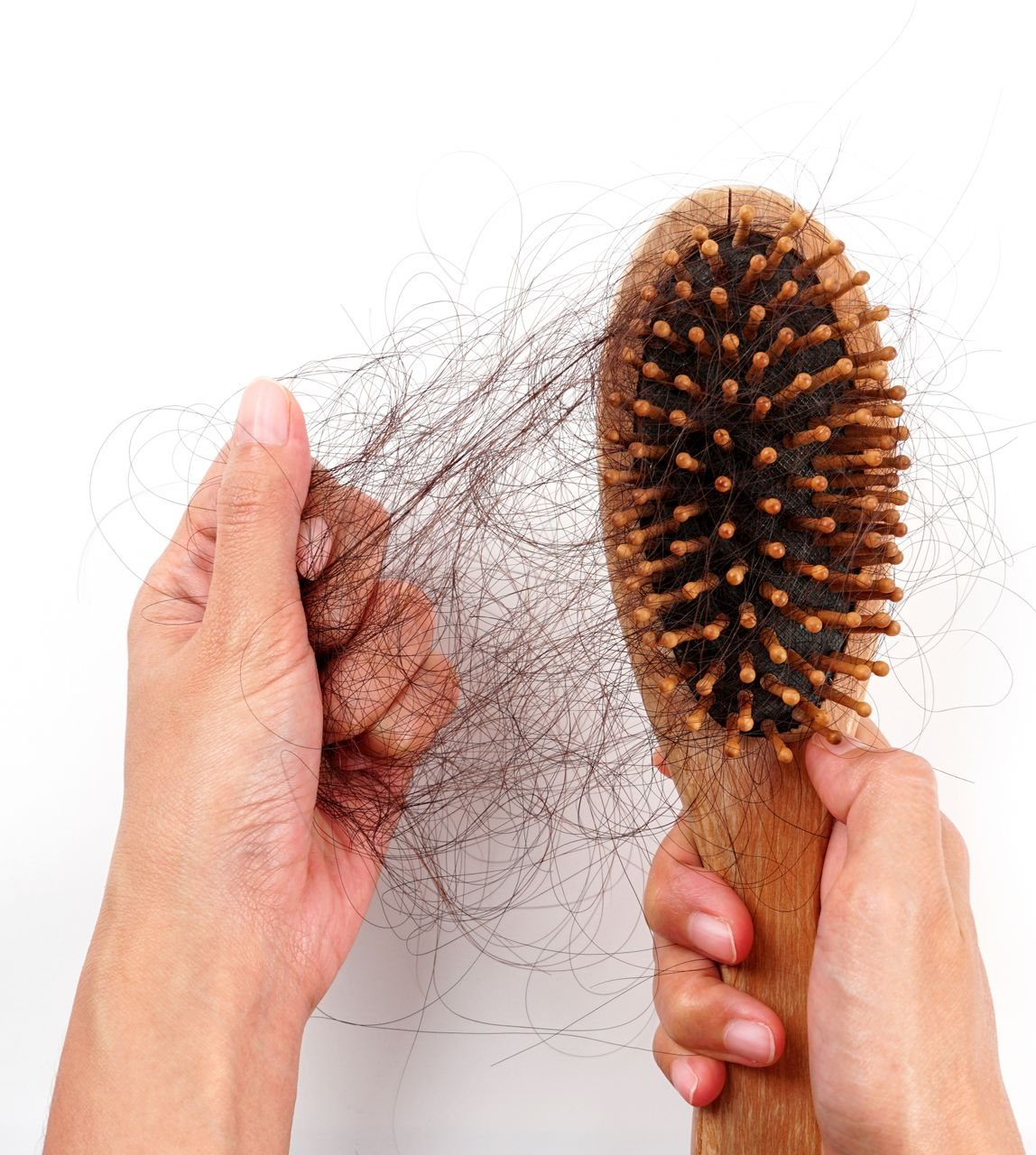
Here's the mechanism: High cortisol and chronic stress push follicles out of growth faster than normal. Usually, only 10-15% of your hair is in shedding phase at any time. During stress-induced TE, that percentage jumps to 30% or more. Result: excessive shedding that looks and feels alarming.
Stress also impairs sleep, nutrition absorption, and immune function, all critical for hair growth. Vitamin deficiencies develop faster. Inflammation increases. Your body deprioritizes hair growth when in survival mode.
Common Causes
High Cortisol & Chronic Stress
Sleep Disruption
Poor sleep impairs cellular recovery and nutrient absorption, compounding hair loss.
Nutritional Gaps
Stress depletes nutrients and impairs absorption. Deficiencies starve hair follicles.
Unresolved Trauma
Ongoing emotional weight creates sustained physiological stress response.
Your Options at UHC
Trichology Consultation
We analyze your scalp and hair under magnification, review your history and timeline, and assess whether what you’re experiencing goes beyond normal shedding. You leave with clarity, understanding exactly where you stand and what your next steps should be.
Hair Loss Prevention
If you're in early stages of stress-induced loss, prevention supports recovery.
Hair Toppers
If you want temporary fullness while hair regrows. Partial coverage options available.
What to Expect
Your first visit is a private, no-pressure consultation. We listen to what's been happening in your life, the timeline of shedding relative to stressful events, and your current stress level.
Often, connecting the dots (understanding that shedding is a physiological response to stress, not a separate problem) is itself reassuring. We also check for signs of thyroid dysfunction, iron deficiency, vitamin gaps, and nutritional issues that can compound shedding.
Have Questions?
We Have Answers.
Can scalp therapy help with stress-related shedding?
Yes. Scalp therapy supports nutrient absorption and overall scalp health during recovery. While it doesn’t replace stress reduction, it creates a healthier environment for your hair to recover.
How long does recovery take once stress decreases?
Hair already in the shedding phase will continue to shed for weeks. From there, recovery typically takes 3-6 months of stable conditions. Full density restoration is gradual.
Do I need a hair system for stress-related hair loss?
Most people don't, since stress-related shedding is usually temporary. But if thinning is significant and you want coverage while it recovers, toppers are a practical, low-commitment option.
What if the shedding doesn't resolve?
If shedding persists despite stress reduction, there may be another factor at play. We reassess, adjust the plan, and discuss restoration options if needed.
Request a Callback
We'd love to chat and answer your questions. Leave us your details below and let one of our specialists get back to you.
Callback Form
Book a
Consultation
Consultations are complimentary and confidential. They include a microscopic scalp analysis at no cost to you.